Learn how to get car insurance with this step-by-step guide covering quotes, coverage options, documents, and tips to find the best rates.
How to Get Car Insurance: A Comprehensive Guide
Car insurance is an invaluable facet of owning a vehicle. It protects individuals financially against accidents, theft, or other damages that may occur. Although obtaining car insurance may appear to be a daunting task initially, if broken down into simple sequential steps, the entire process becomes a lot easier. In this guide, we aim to describe the steps to obtaining a car insurance policy that works for you.
Understanding Car Insurance
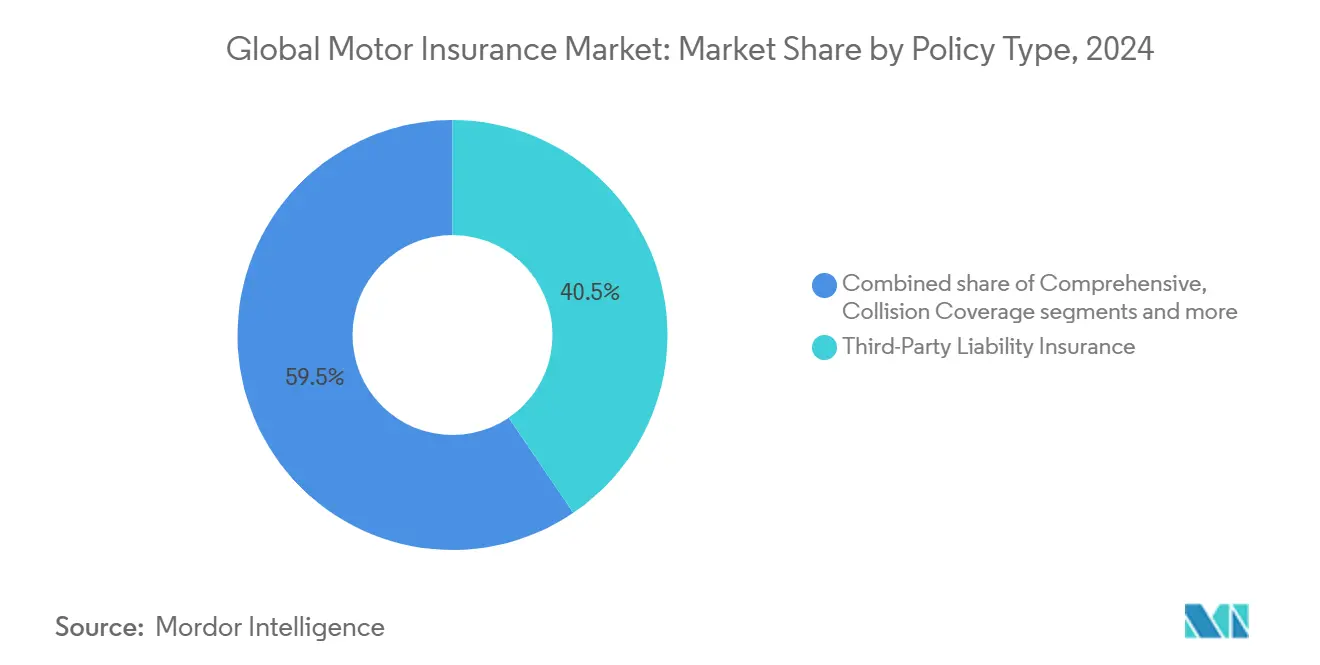
Before beginning the process, it is crucial to have a basic understanding of what car insurance is. It is an agreement made within you and an insurance company where you prepay a certain amount in exchange for financial compensation in the event of emergencies such as accidents, damages or even theft. The most common inclusions in the policy are:
- Liability Coverage: Covers damages or injuries you cause to others.
- Collision Coverage: Pays for the damage to your vehicle caused by collisions.
- Comprehensive Coverage: Non-collision related damages like theft or damages due to natural disasters are covered under this policy.
- Personal Injury Protection (PIP): Covers medical expenses for you and your passengers.
- Uninsured/Underinsured Motorist Coverage: Protects you in case another driver is uninsured or is inadequately insured.
Acquiring Car Insurance in a Step-By-Step Manner
1. Evaluate Pre-Existing Insurance Needs
Assess the specific nuances of your situation. Take into account:
- The worth of the automobile: Cars of higher value may require both comprehensive coverage and collision insurance.
- Your commuting habits: Extended commutes may bring about increased risks and associated costs.
- State regulatory provisions: Minimum insurance regulations vary from state to state.
- Your available finances: Ensure that coverage is neither too limited nor overly comprehensive.

2. Compile Necessary Documentation
To provide appropriate quotes, insurance companies require specific documents. Gather the following:
- Identifying details: Name, postal address, date of birth, and driver’s license number.
- Information about the vehicle: Car make, model, year, VIN (Vehicle Identification Number), and mileage.
- Driving record: Provide a complete history of accidents, infractions, and claims for the previous three to five years.
- Desired insurance package: Define the relevant types of coverage as well as their limits.

3. Evaluate Possible Insurance Providers
Evaluate other insurances to determine the most suitable from the many available. Keep these facts in mind when assessing other providers:
- Claims paying ability: Review the company’s liquidity ratios.
- Claim and support service reviews: Check customer feedback regarding claims processing and support quality.
- Policy options: Make sure the provider can insure you adequately based on your predetermined preferences.
- Incentives: Check for promotional offers available for loyal customers with clean driving records.

4. Finding Quotes
It is advisable to check with different insurers to get better rates for different services. You can do the following:
- Check various insurance company websites for quotes.
- Use online tools to assess many providers at once.
- Consult an insurance agent for more tailored services.
While comparing the quotes, make sure that:
- All quotes being compared have the same coverage levels.
- The deductibles and policy limits reflect your requirements.
- Note if there are additional benefits or exclusions.
5. Overlook Coverage Options
Policies that are advertised at lower prices should not be the only reason for their selection. Instead, look at:
- Coverage limits: While higher limits mean better protection, they often come with higher premiums.
- Deductibles: High deductibles will lower premiums, but out-of-pocket expenses during claims will be higher.
- Additional coverage: gap insurance, rental car reimbursement, or roadside assistance can be included if relevant.
6. Inquire About Discounts
These are some of the discounts offered that can reduce premiums by significant amounts:
- Good driver discounts for not having any accidents or traffic violations.
- Multi-policy discounts for buying car and home or renters’ insurance.
- Safety feature discounts for vehicles equipped with airbags, anti-lock brakes, and anti-theft devices.
- Low-mileage discounts are available for those who drive less than the average number of miles annually.
7. Finalize Your Purchase of the Policy
Conclude the purchase by:
- Confirming coverage details that are included and the premium amount.
- Submit any other required documents for the insurer.
- Making a payment either in full or in monthly payments.
8. Understand Your Policy
Take some time to read thoroughly and understand each section of the policy document. Take note of:
- Exclusions: These are the situations that will not be covered by the policy.
- Claim process: How to file a claim after an accident.
- Renewal terms: Check whether the policy renews automatically or needs to be renewed manually.
9. Maintain Your Insurance
To keep your policy active and avoid it lapsing, you must:
- Pay the policy premiums punctually.
- Inform the insurer of any changes, like a new address or a new vehicle.
- Periodically assess your policy to ensure it is still appropriate for your circumstances.
| Step No. | Step | Details | Estimated Cost/Financial Impact | Estimated Time Required | Importance Level (1-5) |
|---|---|---|---|---|---|
| 1 | Assess Your Needs | Evaluate the type of coverage you need (liability, collision, comprehensive, etc.). | Fill out the application form and provide the necessary documentation to the selected insurer. | 1–2 hours | 5 |
| 2 | Gather Personal Information | Collect details like driver’s license, vehicle registration, and driving history. | No cost | 30 minutes–1 hour | 4 |
| 3 | Research Insurance Providers | Compare companies, ratings, and customer reviews to shortlist reliable insurers. | No cost | 2–4 hours | 5 |
| 4 | Request Quotes | Get premium estimates from multiple insurance providers for comparison. | No cost | 1–2 hours | 5 |
| 5 | Analyze Policy Options | Compare coverage, deductibles, exclusions, and add-ons in each quote. | Costs vary: Average premiums range $600–$2,000 annually | 1–3 hours | 5 |
| 6 | Choose the Best Policy | Decide on a policy that meets your needs and fits your budget. | Financial decision on the premium cost | 30 minutes–1 hour | 5 |
| 7 | Submit Application | Fill out the application form and provide necessary documentation to the selected insurer. | May involve a small processing fee ($10–$50) | 30 minutes | 3 |
| 8 | Make Payment | Pay the premium to activate your car insurance policy. | Full premium or first installment required | 10–30 minutes | 5 |
| 9 | Receive Policy Documents | Verify and secure your insurance documents for future reference. | No cost | 10–20 minutes | 4 |
Car Insurance Premium Influencing Factors
The cost of your car insurance may be impacted by various factors, including:
- Age and Gender: Males tend to be charged higher premiums, especially younger drivers.
- Driving History: A clean record reduces premiums, while an accumulated record of accidents and traffic violations increases costs.
- Vehicle Type: High-value or sports vehicles incur a higher insurance cost compared to standard vehicles.
- Location: Urban centers with a higher prevalence of vehicle accidents may result in elevated premiums.
- Credit Score: Insurers utilize credit scores as a determining factor for pricing within certain states.
- Coverage Levels: Comprehensive policies and lower deductibles increase premiums relative to basic plans.
Common Mistakes to Avoid
Avoid these pitfalls when getting car insurance:
- Underinsuring: Minimum coverage may result in financial savings; however, this leaves individuals exposed to substantial financial liability.
- Overlooking Discounts: Failing to check available discounts may lead to unnecessary premium expenses.
- Failing to Compare: Avoiding comparison shopping may lock drivers into suboptimal or over-expensive plans.
- Ignoring Policy Details: Not comprehending exclusions can lead to unpleasant surprises at the time of claims.
- Letting Policies Lapse: Allowing policies to lapse can incur penalties alongside increased premiums.
Conclusion
Acquiring an auto insurance policy is a critical step in safeguarding the individual, their vehicle, and other road users. Understanding personal needs, researching providers, and evaluating policies helps carve out a plan that provides assurance and tangible protection.
Regular reviews and maintenance enable the policy to adapt to changing needs while ensuring tailored protection. Obtaining car insurance does not have to be intimidating. With some proper preparation and care, one can go through the process with confidence and make informed decisions.
Frequently Asked Questions
1. How do I get car insurance?
Answer:
You can get car insurance by contacting an insurance company directly, working with an insurance agent or broker, or using an online comparison site to get quotes and buy a policy.
2. What information do I need to get a car insurance quote?
Answer:
You’ll typically need:
- Your driver’s license
- Vehicle details (make, model, year, VIN)
- Driving history
- Address and contact information
- Desired coverage options
3. Can I get car insurance online?
Answer:
Yes, many insurers offer the ability to compare quotes, customize coverage, and purchase a policy entirely online. It’s fast, convenient, and often includes discounts for online sign-up.
4. What type of car insurance coverage do I need?
Answer:
Basic required coverage often includes:
- Liability insurance (required by law)
Optional coverages include: - Collision
- Comprehensive
- Uninsured motorist
- Medical payments or PIP
5. How much does car insurance cost?
Answer:
Car insurance costs vary based on your age, driving record, vehicle type, location, and coverage level. On average, it can range from $600 to $2,000+ per year.
6. Can I get car insurance with a bad driving record?
Answer:
Yes, but your premiums may be higher. Some insurers specialize in high-risk drivers, though improving your record over time can help lower rates.
7. Is car insurance required by law?
Answer:
Yes, nearly every state requires a minimum amount of liability insurance. Driving without insurance can result in fines, license suspension, and vehicle impoundment.
8. How long does it take to get insured?
Answer:
You can usually get car insurance coverage the same day you apply—sometimes in as little as 15–30 minutes if all documents are ready.
9. Can I switch car insurance anytime?
Answer:
Yes, you can switch providers anytime. Make sure your new policy starts before the old one ends to avoid a lapse in coverage.
10. What discounts are available when buying car insurance?
Answer:
Common discounts include:
- Safe driver discount
- Multi-car discount
- Bundling with home insurance
- Student or good grade discount
- Online purchase discount