In contemporary finance, few institutions combine reputation and reach as effectively as Goldman Sachs. The firm’s prominence in worldwide investment banking renders it a principal employer for high-achieving graduates across multiple disciplines. Among the most sought-after starting positions is the analyst role, which is distinguished by rigorous analytical work and a compensation framework that attracts the best applicants. This article dissects the salary architecture for Goldman Sachs analysts, addressing fixed pay, variable performance-based compensation, supplementary benefits, geographic variations, and projected advancement pathways within the firm.

1. Introduction to the Analyst Role at Goldman Sachs
The analyst function represents the entry-level tier within Goldman Sachs’s investment banking hierarchy. Geared toward recent graduates from elite institutions, candidates commonly possess degrees in disciplines such as finance, economics, engineering, or mathematics. The typical tenure in this capacity spans twenty-four to thirty-six months, after which individuals are expected to progress to associate roles or, with sufficient performance, to vice president positions and higher.
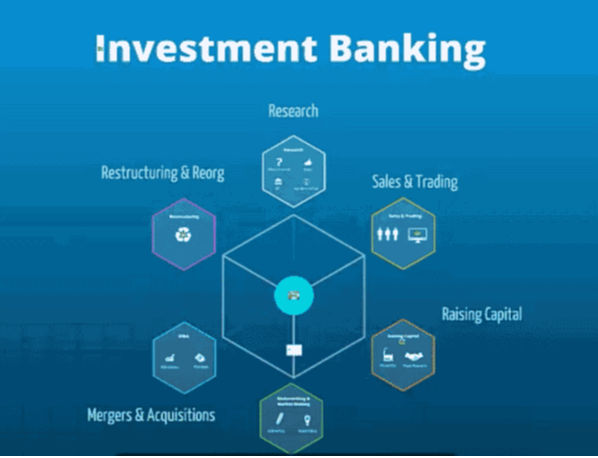
Analysts at Goldman are deployed across multiple areas, which include:
- Investment Banking Division (IBD)
- Global Markets (Sales & Trading)
- Asset Management
- Engineering and Technology
- Risk, Compliance, and Operations
While the specific duties and analytical demands differ by division, the overarching compensation framework remains uniformly aggressive, underscoring the firm’s commitment to maintaining its preeminent position in the market.
2. Base Salary Breakdown
As of 2025, Goldman Sachs has further adjusted analyst base salaries to retain parity with peer firms, including JPMorgan, Morgan Stanley, and Citibank. Contributing factors include persistent inflationary pressures and the ongoing competitive quest for talent, both of which have prompted upward revisions of first-year and subsequent analyst compensation.
Average Base Salary by Level (2025 Estimates)
| Level | Base Salary (USD) |
|---|---|
| First-Year Analyst | $110,000 – $120,000 |
| Second-Year Analyst | $125,000 – $135,000 |
| Third-Year Analyst | $140,000 – $150,000 |
These levels mark a marked elevation from the $85,000–$95,000 bands that prevailed in the early 2010s. Goldman pioneered the elevation of analyst compensation into six-figure territory, a precedent that prompted a coordinated response from the competitive landscape.
3. Bonus Structure and Performance-Based Pay
While the base salary establishes a foundational figure, it comprises only a fraction of total remuneration. Goldman Sachs couples it with a vigorous bonus regimen, which frequently constitutes a material fraction of an analyst’s aggregate compensation.
Bonus Ranges by Year
| Year | Bonus Range (USD) | Bonus as % of Base |
|---|---|---|
| First-Year Analyst | $40,000 – $60,000 | 35% – 50% |
| Second-Year Analyst | $55,000 – $75,000 | 40% – 55% |
| Third-Year Analyst | $70,000 – $100,000 | 50% – 70% |
Year-on-year bonuses correlate strongly with:
- Individual performance evaluations
- Results reported by team and division
- Aggregate profitability of the bank
During particularly strong fiscal years, such as 2021 and 2023, bonuses generally exceed budgeted projections. Conversely, in more subdued cycles, discretionary components often contract.
Other Forms of Compensation
Alongside base salary and annual bonuses, first-year analysts at Goldman Sachs may be awarded:
- Stock options or restricted stock units (RSUs)
- Signing bonuses, typically in the $10,000 – $15,000 range
- Relocation allowances, dependent on the tier of hired talent
- Retirement contributions and 401(k) matching
- Wellness stipends and tuition reimbursement programs
For high-achieving analysts, the portion of compensation tied to equity becomes increasingly pronounced as they transition into associate ranks.
Comparison by Region (US, UK, Asia)
Goldman Sachs’ compensation frameworks are consistent globally, yet regional variations arise from differential cost structures, local regulatory environments, and talent-market competition.
Regional Analyst Compensation Overview (2025)
| Regional | Base Salary (USD equivalent) | Bonus Range |
|---|---|---|
| New York, USA | $120,000 | $40,000–$60,000 |
| London, UK | £70,000 ($91,000) | £20,000–£35,000 |
| Hong Kong | HK$750,000 ($96,000) | HK$200,000–HK$300,000 |
| Singapore | SGD 120,000 ($89,000) | SGD 25,000–SGD 45,000 |
| Frankfurt, DE | €85,000 ($93,000) | €20,000–€40,000 |
New York remains the frontrunner in terms of salary, with London and Hong Kong close in the next tier. Nonetheless, variances in employee benefits and national tax environments may materially impact net income realized by the analyst.
6. Hours and Lifestyle Trade-Offs
Despite the headline numbers, the analyst package carries pronounced lifestyle costs.
Typical Weekly Hours
Total hours range from 70 to 100, with Saturdays frequently in play under the investment banking schedule.
Official “protected Saturdays” are nominally in place, but enforcement is discretionary and varies by team.
The disconnect between earnings and workload drives a palpable culture of burnout. Recent conversations in the recruiting and retention space are increasingly centering on how the analyst class might secure a more sustainable equilibrium between output and personal life in the finance sector.
7. Career Path and Salary Growth
Analysts typically follow one of four trajectories after 2–3 years:
- Promotion to Associate
- Lateral move to a different bank or private equity firm
- Enrollment in a competitive MBA program (Wharton, Harvard, or INSEAD are common)
- Transition to a role outside of finance
Salary Progression
| Role | Base Salary (USD) | Total Compensation |
|---|---|---|
| Analyst | $120,000 | $180,000–$220,000 |
| Associate | $175,000 | $250,000–$350,000 |
| VP | $225,000 | $400,000–$600,000 |
| MD | $400,000+ | $1,000,000+ |
The analyst years are a crucial foundation; excellent performance and a strategic mindset during this period lead to the steepest compensation growth in the financial services sector.
8. Intern vs. Full-Time Analyst Salaries
Goldman Sachs maintains competitive compensation for interns, who are often viewed as the next cohort of full-time talent.
2025 Goldman Sachs Internship Pay (US)
| Program Duration | Monthly Pay | Equivalent Annual Rate |
|---|---|---|
| 10 weeks | $8,000–$9,500 | ~$96,000–$114,000 |
Interns also may receive:
- Housing stipends
- Invitations to networking events
- End-of-internship performance bonuses or accelerated full-time offers
A successful internship typically culminates in a return offer, securing a high-paying full-time position well ahead of graduation.
9. Factors That Influence Analyst Salary
The precise compensation an analyst receives can vary based on:
- Division: Compensation in Investment Banking and Global Markets usually exceeds that in Operations or Risk
- Performance: Analysts ranked in the top quartile receive disproportionate bonuses
- Location: Offices in financial capitals like New York, London, or Hong Kong typically offer the highest base and variable pay
- Economic Conditions: Market expansions typically translate into elevated compensation; contractions, however, may compress bonus payouts
- Firm Performance: An exceptionally profitable fiscal cycle for Goldman Sachs directly enlarges the discretionary bonus pool
10. Advantages and Disadvantages of the Analyst Position at Goldman Sachs
✅ Advantages
- Renowned pedigree for future employers
- Competitive base pay complemented by substantial bonuses
- Broad international exposure and an expansive professional network
- Defined and accelerated upward mobility
- Engagement with leading projects and premier clients
❌ Disadvantages
- Prolonged work hours
- Intense stress and accountability
- Marginal work-life integration
- Hierarchical rigidity and rapid learning curve
Many analysts characterize the experience as an intensive “bootcamp” for the sector: arduous yet formative.
11. Conclusion
The compensation for analysts at Goldman Sachs ranks among the most attractive available to recent university graduates. With starting base salaries surpassing $120,000 and annual bonuses that frequently elevate total earnings beyond $200,000, the financial rewards are substantial. Nonetheless, these gains are accompanied by extended hours, acute performance pressure, and a strenuous organizational culture.
For individuals who excel within rigorous performance cultures and seek to build enduring careers in finance, acceptance into an analyst position at Goldman Sachs can serve as a pivotal milestone. The firm combines intensive professional training with a compensation package that can serve as a strong foundational fuel for trajectories into investment banking, private equity, hedge funds, and related domains.
Regardless of whether you are an undergraduate weighing early finance paths, a graduate assessing career options, or an incumbent professional comparing compensation benchmarks, a detailed understanding of Goldman’s analyst salary framework offers a lens into both the demands of the firm and the potential rewards of a career inside one of the globe’s preeminent financial firms.